
Roofing Insurance Claims in Houston, TX
Understanding Roof Damage & Insurance Coverage in Houston
As a Houston homeowner, understanding your roofing insurance coverage is crucial due to the frequent severe weather events like hurricanes and hailstorms. These occurrences can significantly impact roof integrity and lead to claims. Familiarize yourself with your policy’s specifics, including what types of damage are covered and any deductibles or exclusions. This knowledge is essential in preparing for the claims process and helping ensure complete protection under your policy.
Most people, when working with their insurance company to have their roof replaced, get very confused. The confusion arises because, most of the time, the insurance company will issue you two separate checks for your roof replacement. Not understanding that they will receive two checks, most homeowners panic when they receive their first check and think, “This is ALL the insurance company is paying to have the roof redone?”
Understanding roofing insurance claims can be particularly challenging in regions like Houston and Texas due to the frequent occurrence of severe weather conditions. Hurricanes and hailstorms are common, which means that roofs are often subject to significant wear and tear. It is important for homeowners to be proactive in understanding their insurance policies and claims process to help ensure comprehensive coverage. This awareness not only helps ease the claims process but also helps ensure homeowners are adequately compensated for the damage sustained.
Need a roofing insurance claim in Houston, TX? Call Klein Roofing at (888) 828-5630 or send us a message online today!
How Will the Insurance Process Work for Roofing Insurance Claims in Houston?
No need to fear! Here is an explanation, in easy-to-understand terms, of how most roofing claims proceed with the insurance company involved. The six steps will cover everything you need to know about the roof insurance claims process in Houston.
Step 1 - Call in Your Claim for Roofing Insurance
The first step is for you, the homeowner, to call your claims department and file a claim. REMEMBER – this page explains the process that will occur when you get your insurance company involved. Before you ever call your claims department, you should always have your roof checked by a trustworthy roofer. If you think you have hail damage and do not have your roof inspected but call your claims department instead, you have just filed a claim on your roof. The insurance company is not there to inspect your roof for damage for you. They are there to verify damage that you have.
When you call your claims department, you are filing a claim whether you have damage or not. To call in a claim, you can either call your local agent and ask for help or call your claims department directly. You will be asked questions like: “What kind of damage do you have?” “When did the damage happen?” and many other questions. If you do not know the answers to the questions, just tell the service representative.
Once the service representative has taken all your information, they will assign the claim to an adjuster, which leads to Step 2 in the roofing insurance claims near me process.

Licensed & Certified




Step 2 – Scheduling with the Adjuster for Roofing Claims
The insurance company’s claims adjuster will call you and tell you when they will come to inspect your roof. You do not have to be there for this unless you want to be; however, it is a good idea to let your roofer know (if you already have a roofer selected) when that inspection will occur. Most roofers like to be there when the adjuster arrives.
Having your roofer present during the adjuster’s evaluation can be invaluable. The roofer can provide insights and clarification regarding the extent of the damage, potentially influencing the adjuster’s assessment positively. This collaboration often results in a more accurate estimation of the damages and helps ensure that all roof-related issues are documented and considered in the claim. It empowers homeowners by bridging the communication between contractors and insurance providers, fostering a more transparent claims process.
In the Houston market, adjusters may be handling a high volume of storm claims after a large hail event or tropical system, which can make appointments feel rushed. Before the meeting, walk your property and make a list of every area you are concerned about, including interiors where leaks may have appeared, so nothing is missed when the inspection happens. Sharing this list with both your roofer and the adjuster helps focus attention on specific damage instead of just a quick scan of the shingles.
Step 3 – Receiving the Estimate Letter & Check
If the adjuster believes that you have damage on your roof, they will write an estimate for the scope of the work to be done. They may be able to print that estimate letter in their car, but most of the time, that letter will be mailed to you. The adjuster may also have the ability to write you a check on the spot, too. But, again, most of the time, that check will come in the mail with the estimate letter. The estimate letter shows, in line-by-line detail, everything that the adjuster is putting in the claim. In addition to the roof, it may include gutters, furnace vents, painting, windows and screens, and even fences.
When reviewing your estimate, pay attention to these key details:
- Scope of work: Confirm that shingle type, underlayment, ventilation, and accessories match what your roofer has proposed.
- Included trades: Check that related items like gutters, vents, and painting from the inspection are actually listed with quantities and measurements.
- Code upgrades: Look for any line items tied to Houston or county building code requirements that may affect how your roof is installed.
- Pricing and measurements: Compare the roof size and pricing with your contractor’s numbers so obvious errors can be corrected before work starts.

Read Why our customers love us
Our Reviews
-
We had an excellent experience with Klein Roofing!- Tom N.
-
After all was said and done, they finished the job so quick without leaving a trace behind. 10/10 would recommend!- Nicholas A.
-
Klein Roofing was very professional and quick! From the beginning with the tear-down, all the way to the end with clean-up.- Luis L.
-
I will be recommending these guys to all my friends and family.- Ryan L.

Final Steps in Your Roofing Insurance Claims Process
Step 5 – Getting the Work Done on Your Roof
Once you have your estimate letter and first check, your roofing contractor can get started on doing the work of replacing your roof. If they also subcontract the other work, such as gutters, vents, or other items, they will take care of those things at around the same time. If the roofer does not handle the "peripheral" work, then you will need to find contractors that do those other things.
As work begins on your roof, keep these practical tips in mind:
- Confirm the schedule: Make sure you understand when crews will arrive, how long work should take, and how weather in Houston could affect timing.
- Protect your property: Move vehicles away from the house and secure patio furniture or plants before tear-off starts.
- Track extra repairs: Ask your contractor to note any hidden damage uncovered during the project so it can be shared with your adjuster.
- Stay available: Try to be reachable by phone in case the roofer or insurer has questions while the work is in progress.
Step 6 – Completion of Work & Final Insurance Check
Once your roofer has completed the work, they will send a final invoice to the insurance company stating that the work is complete and showing their costs for the project. The insurance company will then release the depreciation (if applicable – see notes on Step 4 above) to you and you will receive your second check.
Before closing out your claim, take a few final quality-control steps:
- Do a walk-through: Inspect your yard, roofline, and interior ceilings to confirm that repairs match what was listed in the estimate.
- Verify cleanup: Check that nails, old shingles, and debris have been removed from driveways, patios, and landscaping.
- Collect paperwork: Request copies of invoices, warranties, and any permits or inspections tied to your roof.
- Match payments: Compare the final insurance check to your contractor’s invoice so you understand any remaining balance or refunds.
Common Types of Storm Damage to Houston Roofs
Storms in the Houston area can damage roofs in many different ways, and recognizing these patterns helps you decide when to call your insurer. High winds from Gulf storms can lift shingles along ridgelines and edges, while hail can bruise or crack the surface of asphalt shingles, even if the damage is hard to see from the ground. Prolonged heavy rain often exposes weak spots around chimneys, skylights, and roof penetrations, leading to interior leaks that may be tied back to prior events.
Because Houston’s climate is hot and humid for much of the year, minor storm damage can quickly turn into more serious issues like mold, warped decking, or sagging ceilings if it goes unaddressed. After a major storm passes through areas like The Woodlands, Sugar Land, or Pasadena, taking time to walk your property and look for missing shingles, granule loss in gutters, or water stains on ceilings can give you early warning signs. Sharing these details with a roofer makes it easier to determine whether a claim is appropriate and what documentation you should gather.
Some homeowners also experience damage from windblown debris, fallen tree branches, or displaced flashing near roof valleys and vents. Keeping a simple log of dates when strong storms move through your neighborhood, especially during hurricane season, helps connect any later roof problems back to a specific event for insurance purposes. When you can clearly explain what you observed and when it happened, insurers are better able to link the loss to covered storm activity rather than chalking it up to ordinary wear and tear.
Why Choose Klein Roofing for Roof Insurance Help in Houston
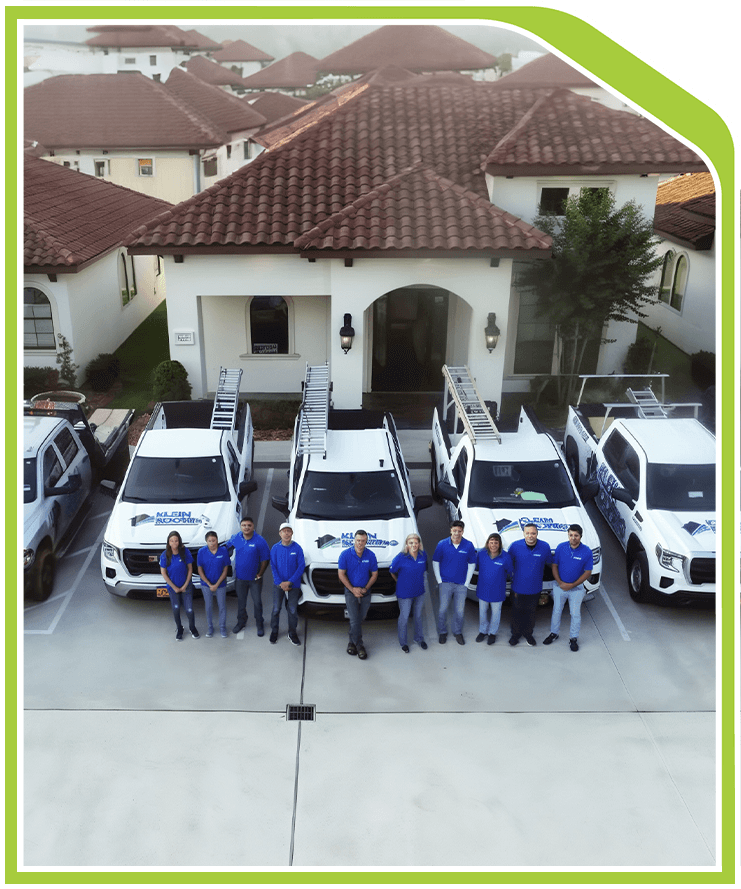
Choosing a contractor who regularly works with insurance claims makes a significant difference when you are repairing or replacing a storm-damaged roof. At Klein Roofing, our team is accustomed to the paperwork, timelines, and communication needed to move a claim from first inspection through final payment. We focus on explaining each step in plain language so you always know what the insurance company has requested and what will happen next on your project.
Because we work on homes throughout Houston and surrounding communities, we understand how local weather patterns and building requirements affect roofing insurance claims. Our crews are familiar with the expectations of area inspectors and the practical needs of homes near the coast, along bayous, and in fast-growing suburbs. That local experience helps us recommend materials and installation methods that stand up to Houston’s heat, humidity, and storm seasons while aligning with typical insurer guidelines.
From the first roof inspection to the final walk-through, we aim to keep the process organized and predictable for you. We can review the insurance estimate with you, help identify items that may have been missed, and coordinate timing so material delivery, construction, and inspections fit your schedule as much as possible. When questions arise from your adjuster or mortgage company, our office staff is used to providing the documentation they need, which helps keep your roofing insurance claim in Houston moving forward without unnecessary stress.
Understanding Houston's Roofing Regulations & Compliance
In Houston, specific regulations and building codes govern roofing repairs and installations. It is essential to be aware of these requirements to ensure that any work conducted on your property complies with local standards. These codes are designed to enhance safety and durability, considering the region’s susceptibility to extreme weather events. Consulting with a professional roofer familiar with Houston’s building codes helps ensure that your project adheres to all legal requirements, avoiding potential fines or delays in claim processing.
Roofing projects within the city limits may require permits and inspections through local building departments, and the standards can differ between Houston and nearby communities in Harris or Fort Bend County. A roofer who routinely handles roof insurance claims in Houston will understand wind uplift requirements, nailing patterns, and underlayment standards that insurers and inspectors expect to see on a completed job. When your contractor follows these codes from the start, it reduces the chances of rework or inspection failures that could slow down closing out your claim.
Role of Public Adjusters in Roofing Insurance Claims in Houston
Public adjusters can play a pivotal role in the claims process for homeowners in Houston. These licensed professionals help policyholders navigate the complexities of insurance claims, particularly in assessing and negotiating with the insurance company for a fair settlement. Engaging a public adjuster can be beneficial when dealing with large claims or if there is a dispute over the insurance provider’s estimate. They work on behalf of the homeowner, providing an added layer of assurance, especially when you are unfamiliar with the intricacies of the claims process.
Homeowners sometimes contact a public adjuster after a major storm when they feel their claim has been underpaid or denied, or when the scope of damage seems much larger than what was approved. In Houston, where one storm can affect thousands of roofs at once, having a professional focused solely on your claim can relieve some of the pressure and help organize documentation. Before hiring a public adjuster, review their fee structure, experience with roofing insurance claims in Houston, and how they will communicate with both you and your contractor so everyone is working toward the same goal.
Frequently Asked Questions About Roofing Insurance Claim
How Do I Prepare for a Roofing Insurance Claim in Houston?
Preparing for a roofing insurance claim involves several critical steps. First, document all visible damage with photos and videos as soon as it is safe to do so. Keep records of weather reports that correspond with the date and location of the damage, which helps establish the timing and cause of roof damage. Ensure that you review your insurance policy thoroughly to understand what is covered and what is excluded. It is also advisable to contact a reputable local roofer to conduct an initial inspection and provide an estimate. Being organized with documentation and having a clear understanding of your policy will streamline the claims process and enhance the likelihood of a favorable outcome.
What Are the Common Pitfalls in Roofing Insurance Claims?
Several pitfalls can affect the success of a roofing insurance claim. One common issue is failing to provide comprehensive documentation for the damage sustained. Without sufficient photographic evidence and detailed descriptions, claims can be denied or undervalued. Another challenge arises when homeowners delay filing a claim, which can lead to questions about the timeline of the damage. Misunderstanding policy details, such as deductible amounts or coverage limits, often leads to financial surprises, emphasizing the need for policy review ahead of filing. It is also important to avoid accepting the first estimate without scrutiny, as this amount may not cover the full extent of the necessary repairs.
Can Severe Weather Affect My Claim in Houston?
Yes, severe weather events in Houston can significantly affect roofing insurance claims. After major storms, insurance companies may be inundated with claims, possibly delaying response times. However, these conditions also provide documented justification for the claim, as severe weather is a primary cause of roof damage. Responding promptly by filing a claim and securing interim measures, such as tarping the roof to prevent further damage, is crucial. Working with local professionals who understand the specific challenges posed by Houston’s climate can facilitate smoother claims processing and settlement.
Is It Beneficial to Have My Roofer Present During Inspection?
Having your roofer present during the insurance adjuster’s inspection can be highly beneficial. The roofer can highlight areas of concern that might be overlooked, helping ensure that all damages are acknowledged and recorded in the adjuster’s report. This involvement can result in a more accurate and comprehensive claim evaluation. The presence of a knowledgeable contractor aids in clear communication, aligning the adjuster’s findings with the practicalities and nuances of roofing work. This teamwork can lead to a more complete assessment and a higher likelihood of receiving adequate claim coverage.
How Long Does the Roofing Insurance Claim Process Take in Houston?
The timeline for a roofing insurance claim in Houston can vary based on several factors. Generally, the process can take anywhere from a few weeks to a few months. Initial acknowledgments by the insurance company usually occur promptly, but the subsequent steps, including inspections, estimate reviews, and final settlements, can extend the timeline. Factors such as the severity of roof damage, the volume of claims being processed due to widespread weather events, and the clarity of submitted documentation all influence the duration. To help expedite the process, maintain open communication with your insurer and ensure all required documents and evidence are provided promptly and thoroughly.
Need roofing insurance claim in Houston, TX? Call Klein Roofing at (888) 828-5630 or send us a message online today!